Which IPTV service has the most international channels?

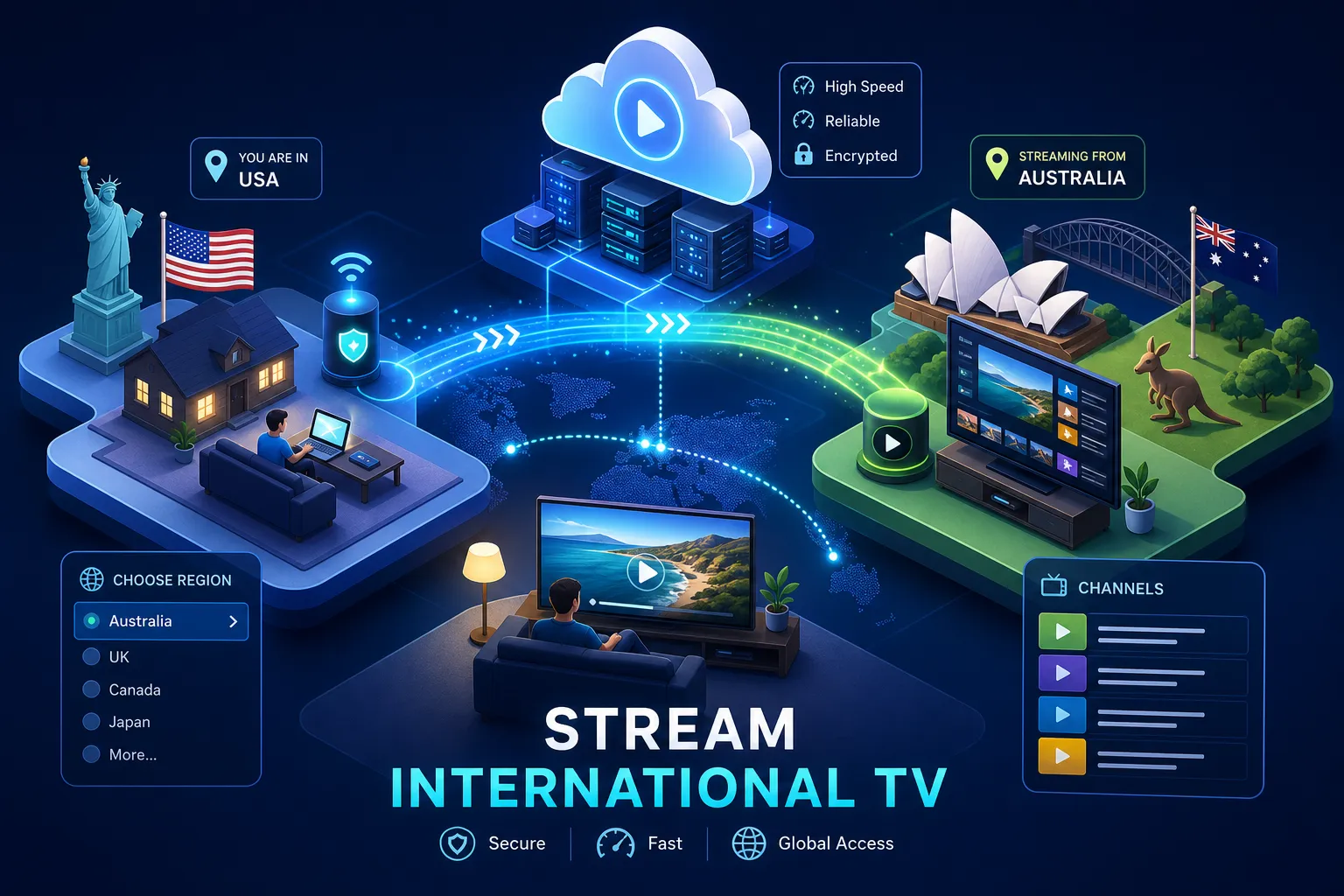
If you’re wondering what IPTV service has the most international channels in Australia, you’re not alone, and the answer matters more than most comparison guides let on. Australia is highly culturally diverse, with a significant proportion of the population speaking a language other than English at home, yet many mainstream streaming services provide limited non-English content relative to the demand. Hundreds of thousands of households want Arabic news, Hindi soaps, Mandarin drama, or Turkish sport, and free-to-air television is not widely set up to carry it. SBS covers some multilingual ground, but community TV and ethnic free-to-air options remain patchy. Foxtel and Kayo are built around Australian and major English-language content. That gap is where IPTV steps in.
Not all IPTV services are equal. Some advertise “international channels” and deliver a few hundred foreign feeds buried in a bloated list. Others, like IPTV Australia 4K, claim more than 65,000 live channels, a difference that matters enormously when you’re searching for content from a specific country or language. This article cuts through the marketing noise and compares what the leading Australian IPTV providers actually offer for international viewers, so you can make an informed call.
Why channel volume is the best measure of international variety
No IPTV provider in Australia publicly lists a verified breakdown of channels by country or region. They advertise raw totals (20,000 channels, 38,000 channels) but rarely clarify how many are genuinely international versus duplicated local feeds, SD and HD versions of the same station, or Australian free-to-air re-streams. When providers don’t publish granular data, total channel count becomes the most reliable proxy for international depth. A service claiming 20,000 channels is unlikely to carry the same spread of foreign-language content as one claiming 65,000+, though it’s worth remembering these are self-reported figures, not independently verified totals.
A larger library isn’t just about numbers on a marketing page. It means more country-specific news channels, more regional language variants, more niche content from smaller markets. A South Asian household doesn’t just need one Bollywood movie channel, it needs regional language feeds: Tamil, Telugu, Bengali, Punjabi. A Middle Eastern household wants country-specific Arabic channels from Egypt, Lebanon, and the Gulf, not a single generic Arabic feed. Scale is what makes specificity possible, and specificity is exactly what multicultural households searching for the best IPTV for international channels in Australia actually need.
Which IPTV service in Australia has the most international channels?
At the top of the claimed range sits IPTV Australia 4K, which advertises 65,000+ live channels, the highest publicly stated figure among services targeting the Australian market. According to provider marketing, the next tier includes names like Stremzi, EtorIPTV, and IPTV Harmony, which sit in the 22,000 to 38,000 channel range. Below them, services like Bunnystream and WHconnectt advertise 16,000 to 20,000 channels. These figures are self-reported and should be treated as indicative rather than verified. That said, each step down in claimed volume generally means less regional variety, fewer language options, and a thinner selection from any single country.
Mid-range providers aren’t necessarily bad services, but their libraries reflect their scale. A service with 22,000 total channels has to split that count across Australian content, on-demand titles, sports feeds, and international content. The slice left for Polish or Vietnamese channels gets thin quickly. They may carry flagship channels from major regions, but smaller language communities often find their content missing or unreliable.
The gap between 38,000 and 65,000 claimed channels is where niche regional content lives. IPTV Australia 4K also states it includes 23,000+ dedicated sports channels and 100,000+ on-demand titles, these are provider claims and have not been independently verified, but if accurate they suggest international content extends well beyond live TV into films and series across multiple languages.
Regional coverage: which communities are actually served
Indian content requires multiple language streams beyond Hindi: Punjabi, Tamil, Telugu, Gujarati. Southeast Asian households look for Filipino, Vietnamese, Thai, and Indonesian channels. East Asian communities want Mandarin, Cantonese, Korean, and Japanese content. A provider claiming 65,000+ channels has the theoretical capacity to carry dedicated feeds across all these categories, though the only reliable way to confirm your language is actually covered is to request a trial or channel list before committing. Providers in the 20,000 to 35,000 range typically cover flagship channels from larger markets but tend to leave smaller language communities underserved. This is the reality that most IPTV comparison guides skip over entirely.
Arabic content is another high-demand category in Australia, and it’s not a monolith. Egyptian audiences, Lebanese diaspora communities, and Gulf Arab families all watch different channels from different broadcasting ecosystems. High-volume services commonly claim to carry country-specific Arabic feeds, Al Arabiya, Al Jazeera variants, Lebanese Broadcasting Corporation, MBC channels, though you should verify these are live and stable before subscribing. Smaller providers tend to bundle everything under one generic Arabic category, which satisfies almost nobody.
European and South American communities face the same problem. Polish, Greek, Italian, Portuguese, and Turkish content spans dozens of distinct feeds. Brazilian and Latin American households need Portuguese and Spanish programming beyond what mainstream services carry. Lower claimed channel totals are less likely to include extensive niche regional feeds, precise thresholds are unverified, but a provider with significantly more headroom is better placed to carry the communities that smaller services simply ignore.
Quality and reliability: what the channel count doesn’t tell you
International channels are often streamed from distant servers, which makes stability more dependent on the provider’s infrastructure than local Australian feeds. A service may technically claim 38,000 channels but deliver half of them with persistent buffering during peak hours. This is a real and common problem. IPTV Australia 4K states it uses stream optimisation technology to maintain buffer-free delivery at SD, HD, Full HD, and 4K quality, this is a provider claim that should be tested during a trial period, but it’s a meaningful specification to ask about when evaluating any service.
In practice, providers with Australian or Asia-Pacific servers perform far more reliably than those routing streams through Europe. Adaptive bitrate streaming is essential for NBN users, particularly during the 7 to 9 PM peak window when network congestion is at its highest. Without it, buffering is almost inevitable on international feeds, regardless of your connection speed.
An Electronic Programme Guide (EPG) matters far more for international content than for domestic TV, because you’re navigating unfamiliar schedules in languages you may not read fluently. When comparing IPTV channel lists by country or region, check whether EPG coverage extends to foreign-language feeds, not just Australian content. Services that also offer genuine 4K output for compatible feeds deliver a materially better experience. Ask specifically whether the provider supports 4K on international channels, not just local ones.
The legal landscape and what it means for your decision
IPTV services in Australia operate in a legally grey area under copyright law, and it’s worth understanding that clearly before you subscribe. Note that this article does not constitute legal advice, and readers should seek independent guidance if uncertain about their obligations. Licensed providers like Foxtel Now and Fetch TV offer transparent, regulated services with far fewer channels, typically 35 to 50. High-volume IPTV services carrying tens of thousands of international channels are generally unlicensed, which means content licensing arrangements vary and enforcement risk exists. That’s honest information most IPTV comparison sites quietly leave out.
The practical consequence for international viewers is that licensed niche services do exist for specific communities, including dedicated Arabic and South Asian IPTV providers operating in Australia. But these tend to carry a few thousand channels at most, covering only major markets. For multicultural households wanting genuine breadth across Asian, Middle Eastern, European, and South American content, a high-volume IPTV service remains the most realistic option. The decision is yours to make with clear information, not marketing spin.
How to find the right IPTV service for international channels in Australia
Before committing to any IPTV service, ask the provider directly: how many channels from your specific country or language are included, can you trial before paying, does the EPG cover international feeds, and is there 24/7 support available in your time zone? These questions quickly separate providers with genuine depth from those inflating numbers with duplicate or low-quality feeds. Requesting an M3U playlist sample or channel list is the most direct way to verify coverage before paying.
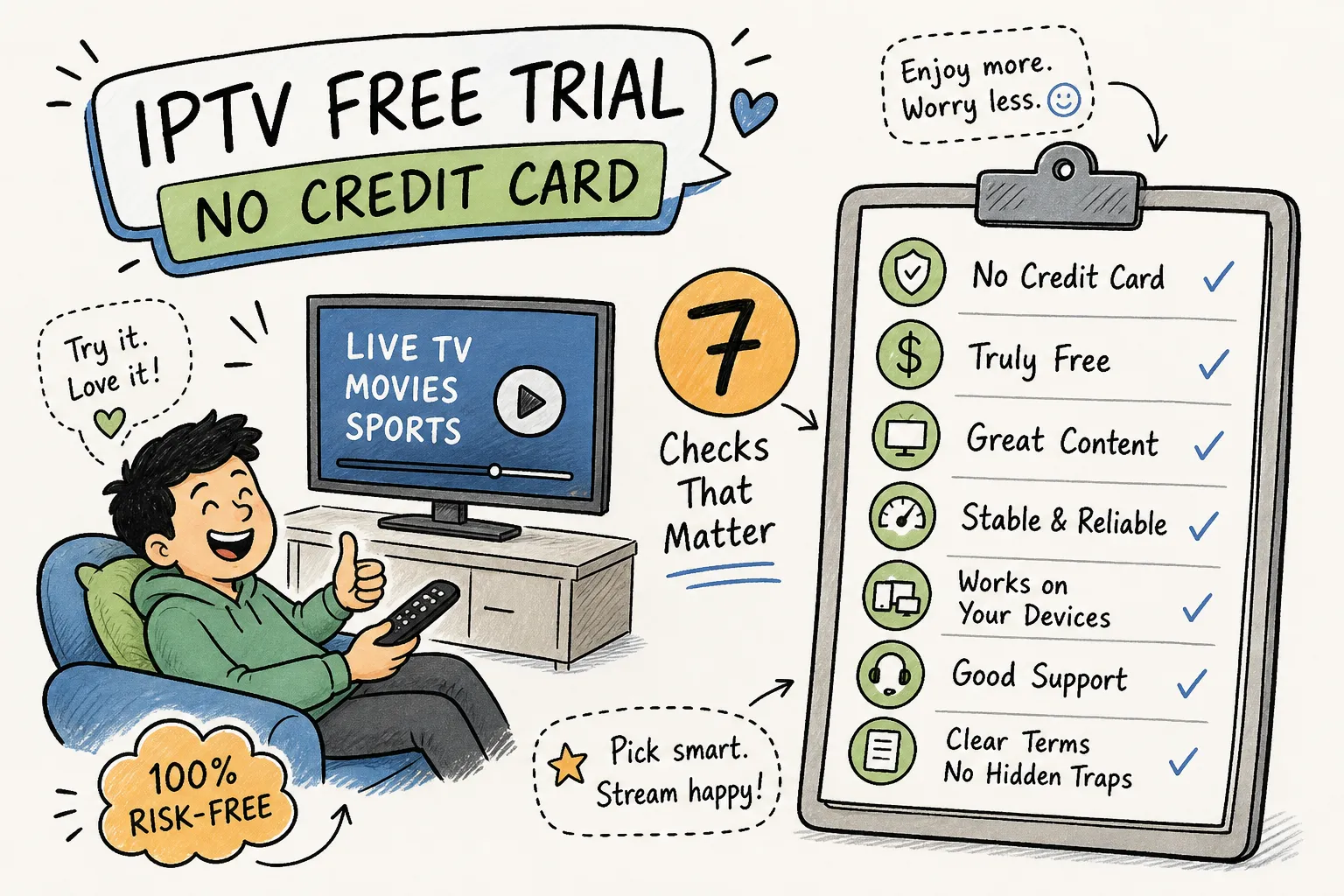
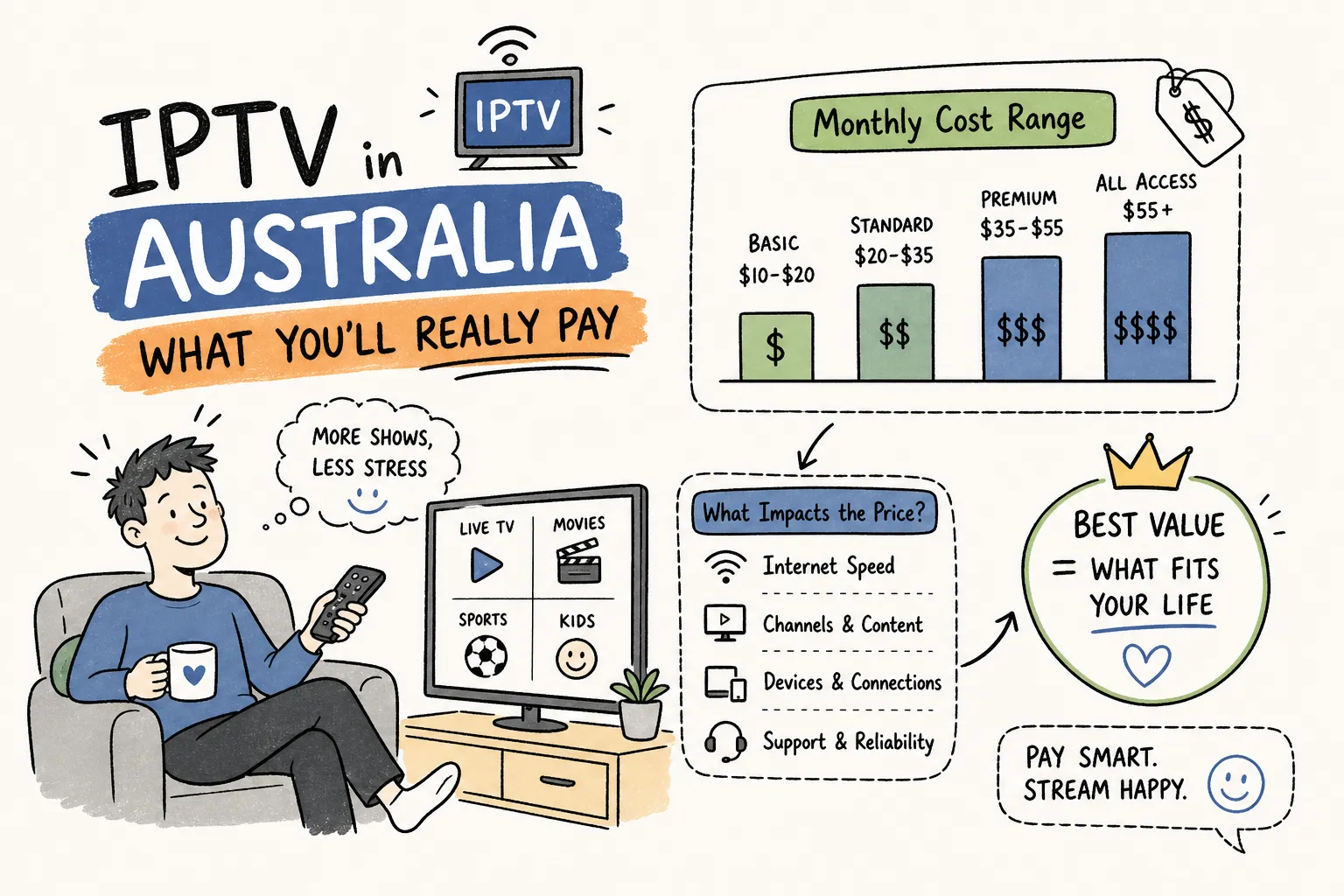
Pricing across leading Australian IPTV providers generally runs from $13 to $30 AUD per month, with annual plans bringing costs down considerably, though exact figures vary by provider and plan, so always check the current pricing page directly. IPTV Australia 4K advertises a starting price of $15 AUD per month for a single device, with longer-term plans available. It also offers a free trial and a 7-day money-back guarantee, which is the lowest-risk way to test whether the international channel library actually delivers for your specific community. With 65,000+ claimed channels and instant activation, you can browse the full catalogue before committing to a single dollar. (Pricing and trial terms are as advertised by the provider and subject to change.)
For multicultural households, testing is not optional. It’s the only honest way to verify that your language and region are genuinely covered, not just mentioned in a marketing list. Start with a provider that gives you the widest possible selection, put it through a week of real viewing, and decide based on actual experience rather than channel count claims alone.
The bottom line
When asking what IPTV service has the most international channels in Australia, the answer comes down to claimed scale and what that headroom makes possible. Providers advertising 65,000+ channels have the room to serve dozens of language communities with genuine depth, though verifying that claim with a trial is essential. Mid-tier services in the 20,000 to 38,000 range cover major markets but tend to leave smaller communities underserved. Budget services below 20,000 channels are barely scratching the surface for international TV streaming in Australia.
For multicultural Australian households, the approach is straightforward: start with the provider that gives you the widest possible selection, use the free trial to verify it covers your specific region, and make your decision based on what you actually see. IPTV Australia 4K is the clear starting point for that process, and with a free trial available, there’s no reason not to find out for yourself.